 Engineering
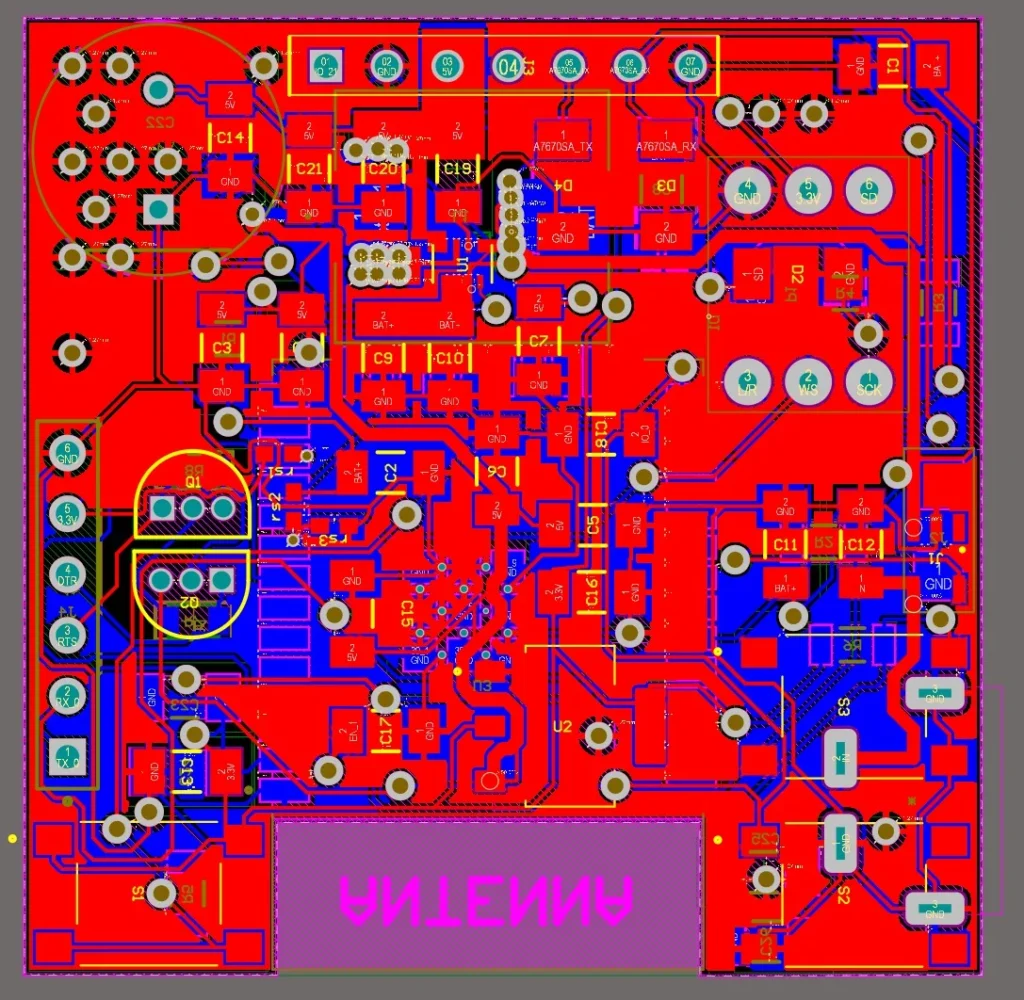
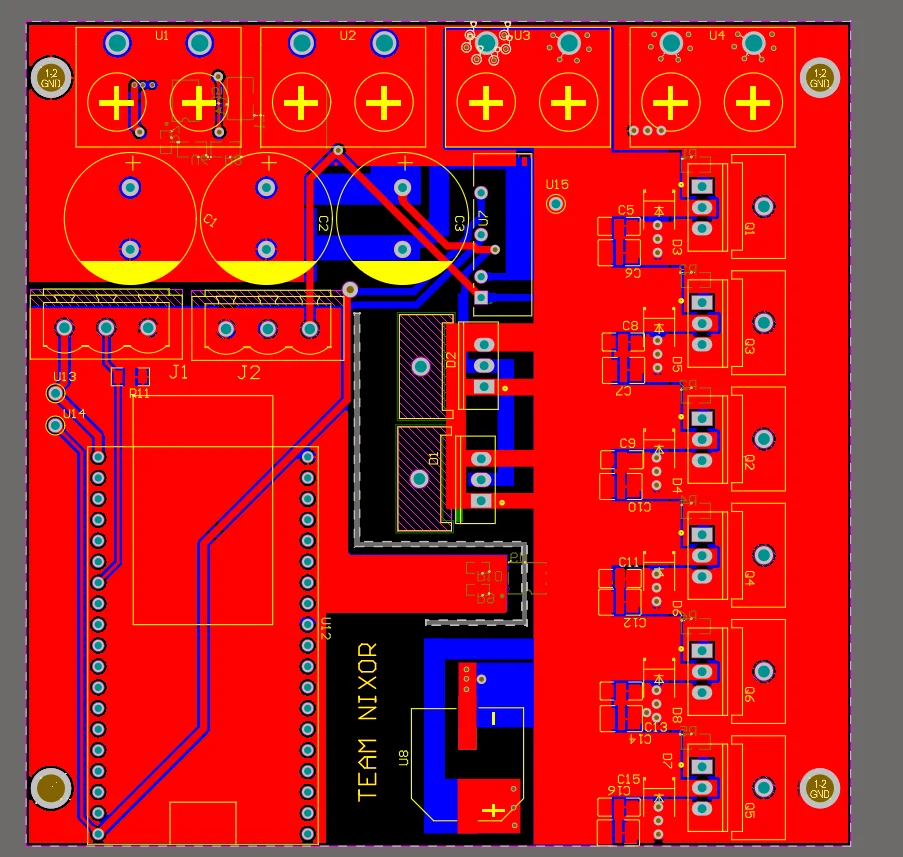
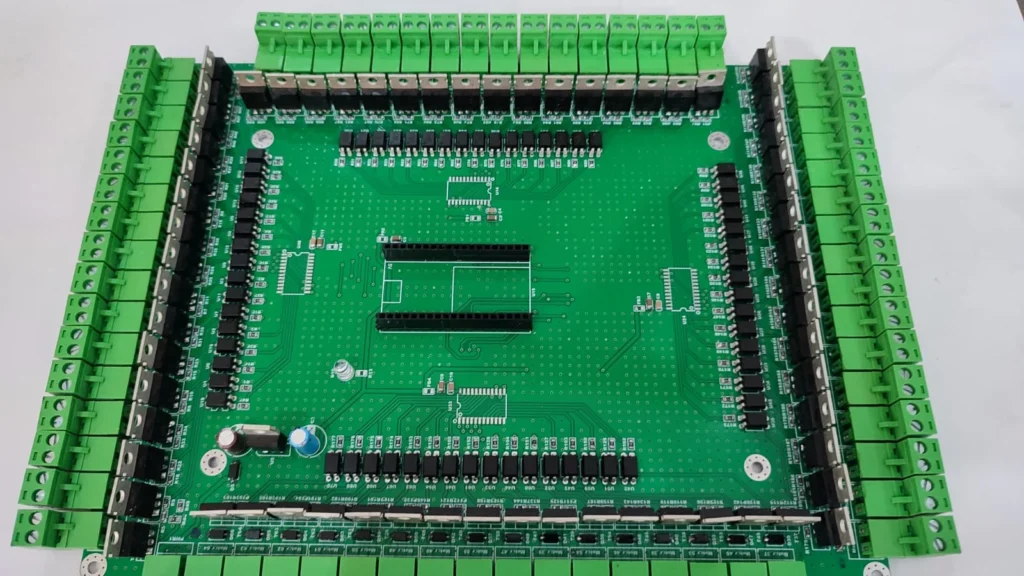
Multilayer PCB Design
Design of multilayer PCB layouts with optimized stack-up, routing, and signal integrity.

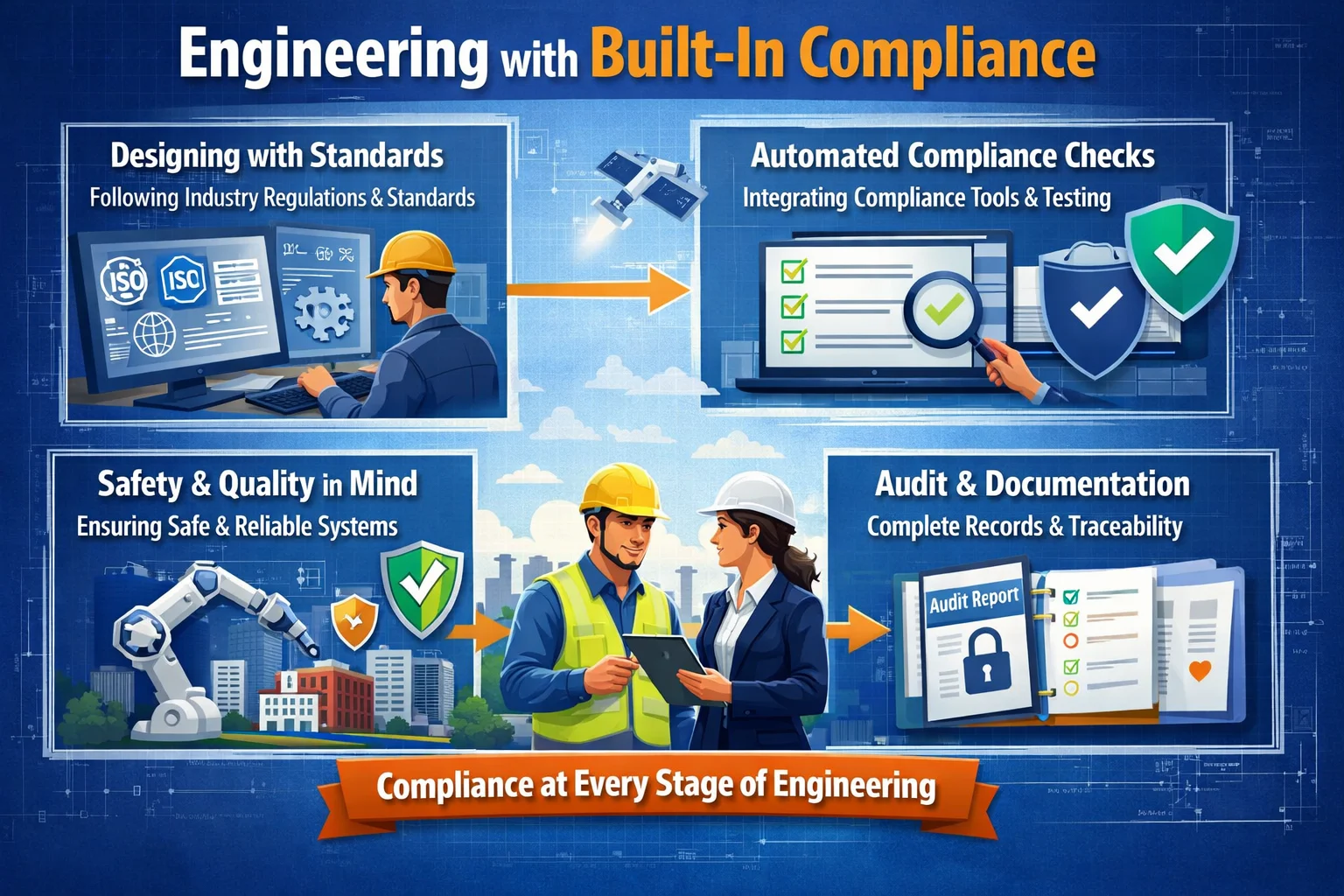
Compliance-Driven Design is a proactive engineering approach where regulatory requirements are considered right from the initial design phase. Instead of treating compliance as a final checkpoint, it is integrated into every stage of product development to ensure smoother certification and higher product reliability.
This approach focuses on aligning designs with international standards, safety guidelines, and industry-specific regulations from the start. By doing so, it helps identify potential issues early, reduces redesign efforts, and ensures that the final product is ready for approval across different global markets.
From consumer electronics and industrial systems to automotive and communication technologies, Compliance-Driven Design supports faster development cycles, improved product confidence, and consistent performance under regulatory expectations.
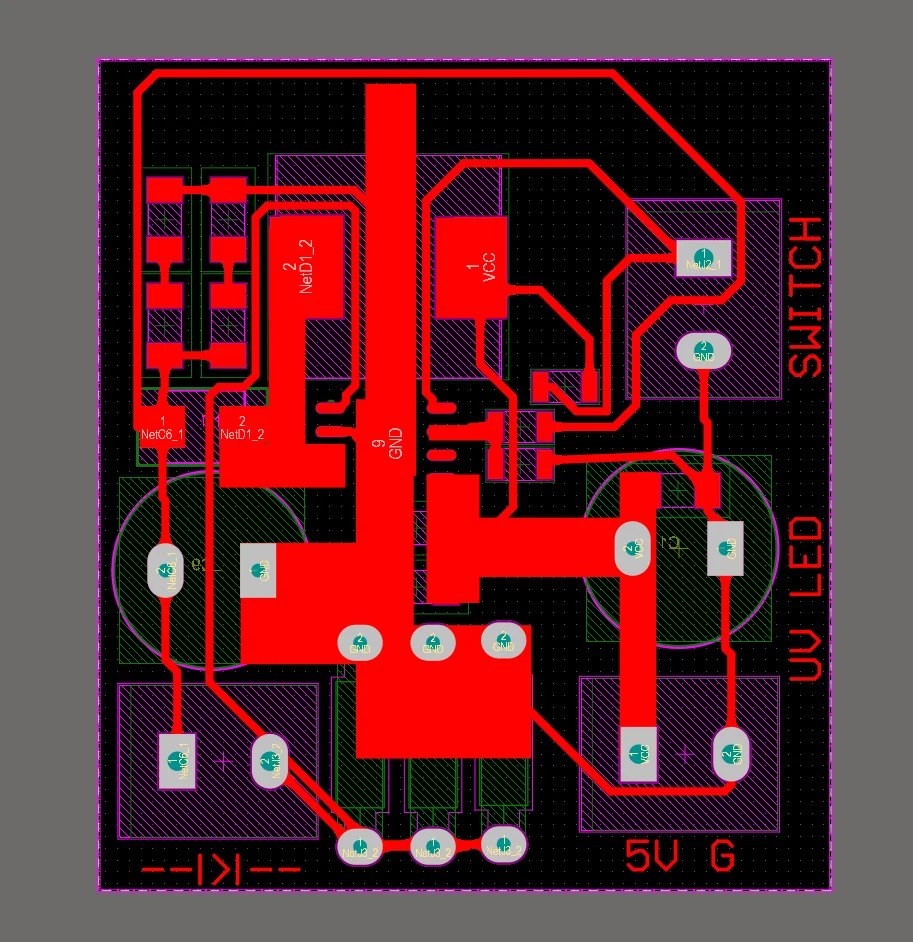
Here are common questions about our compliance-driven design services, including regulatory requirements, certification readiness, EMC considerations, and risk reduction for electronic products in the UK.
Discuss Your ProjectCompliance-driven design means developing electronic products with regulatory and certification requirements in mind from the start, helping reduce the risk of redesigns and testing failures later.
Designing with compliance in mind helps you avoid costly redesigns, delays in certification, and unexpected EMC or safety issues during product testing and market approval.
We consider relevant EMC, safety, and industry-specific standards that apply to your product and market, and design to support smoother testing and certification.
Yes. Our compliance-driven designs include EMC-aware layout practices, EMI reduction strategies, and grounding approaches that support better EMC test results.
Yes. We can review existing designs, identify potential compliance risks, and suggest changes to improve readiness for testing and certification.
Compliance-driven design is valuable at concept, schematic, PCB layout, and pre-production stages, helping you catch issues early and reduce project risk.
Compliance-driven design is important in medical devices, industrial electronics, automotive, aerospace, telecommunications, consumer electronics, and any product that requires regulatory approval.
Yes. We can provide design documentation, test-ready layouts, and engineering notes that support your certification process and testing activities.
Engineering
Design of multilayer PCB layouts with optimized stack-up, routing, and signal integrity.
 Engineering
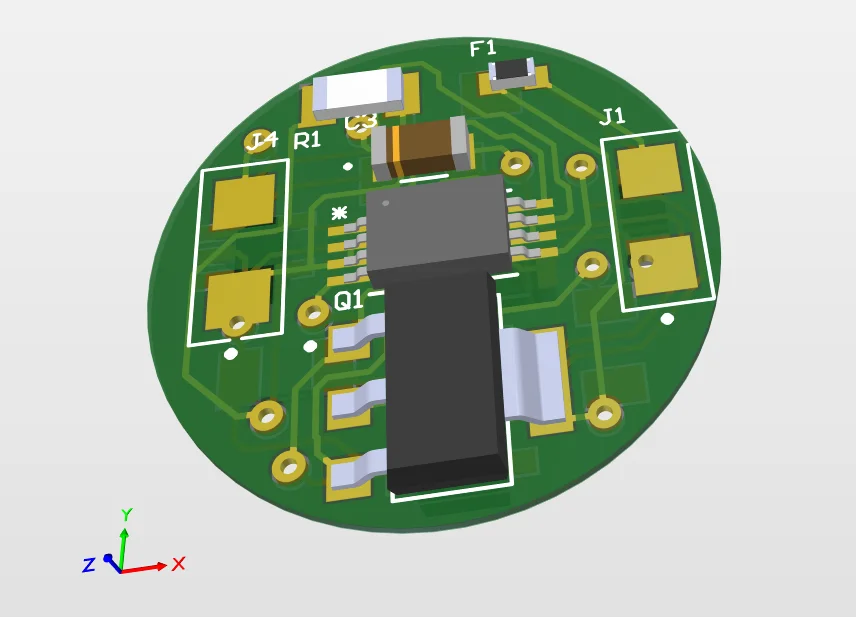
PCB assembly support for prototypes and production builds.
 Engineering
Complete electronic product design from concept to functional design.
 Engineering
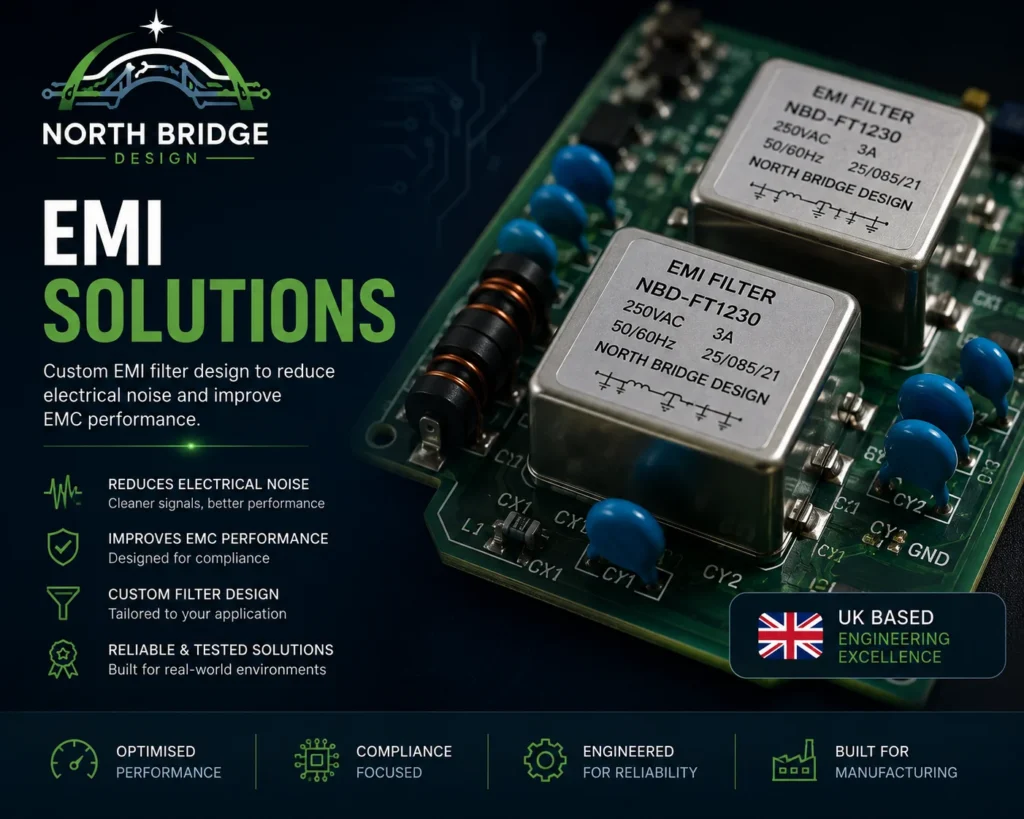
Custom filtering solutions to reduce noise and improve EMC performance.
 Engineering
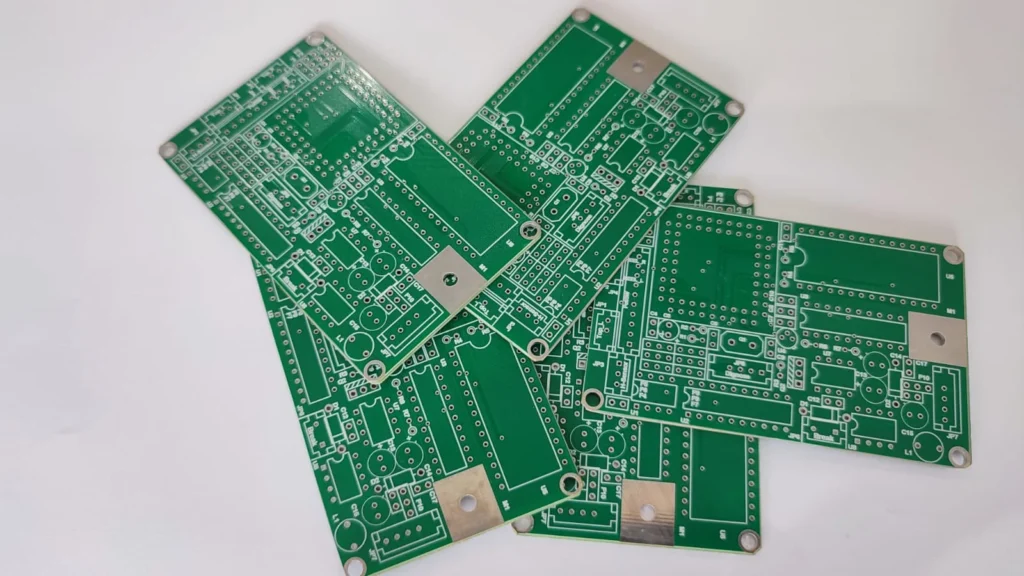
Efficient PCB layouts for low to medium complexity applications.
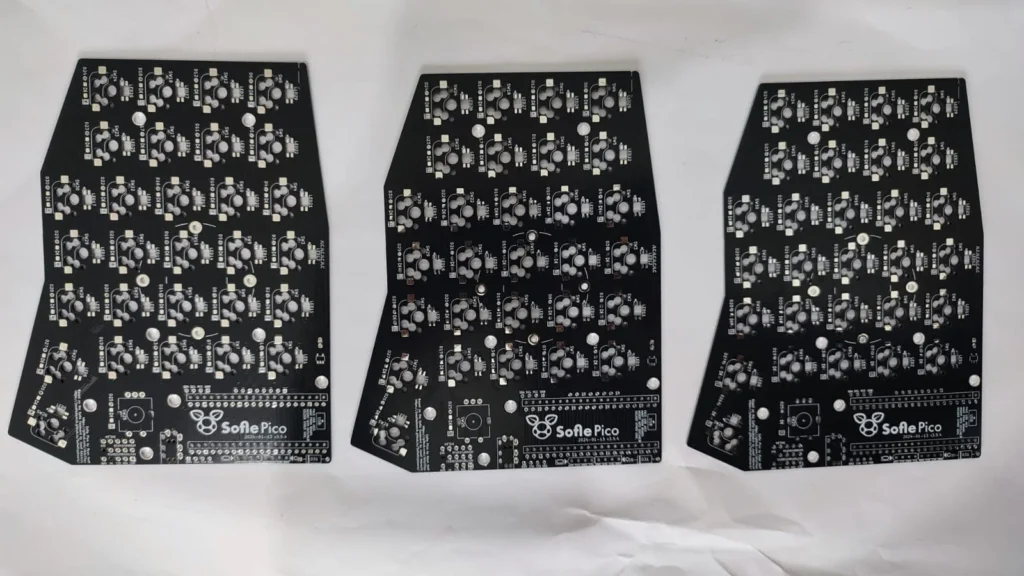 Engineering
Design optimization for reliable and cost-effective production.
From early concept to final product, we help you turn engineering ideas into real-world electronics that perform.
Start a Project